Skip to content

Hardy. Native.
Wildlife-Friendly.

A beautiful, low-maintenance native shrub that feeds songbirds, supports pollinators, and shelters wild game. Enjoy the brilliant fall color and the edible tart berries.

Now is sowing season. Fall and early winter are a great time to sow. See how

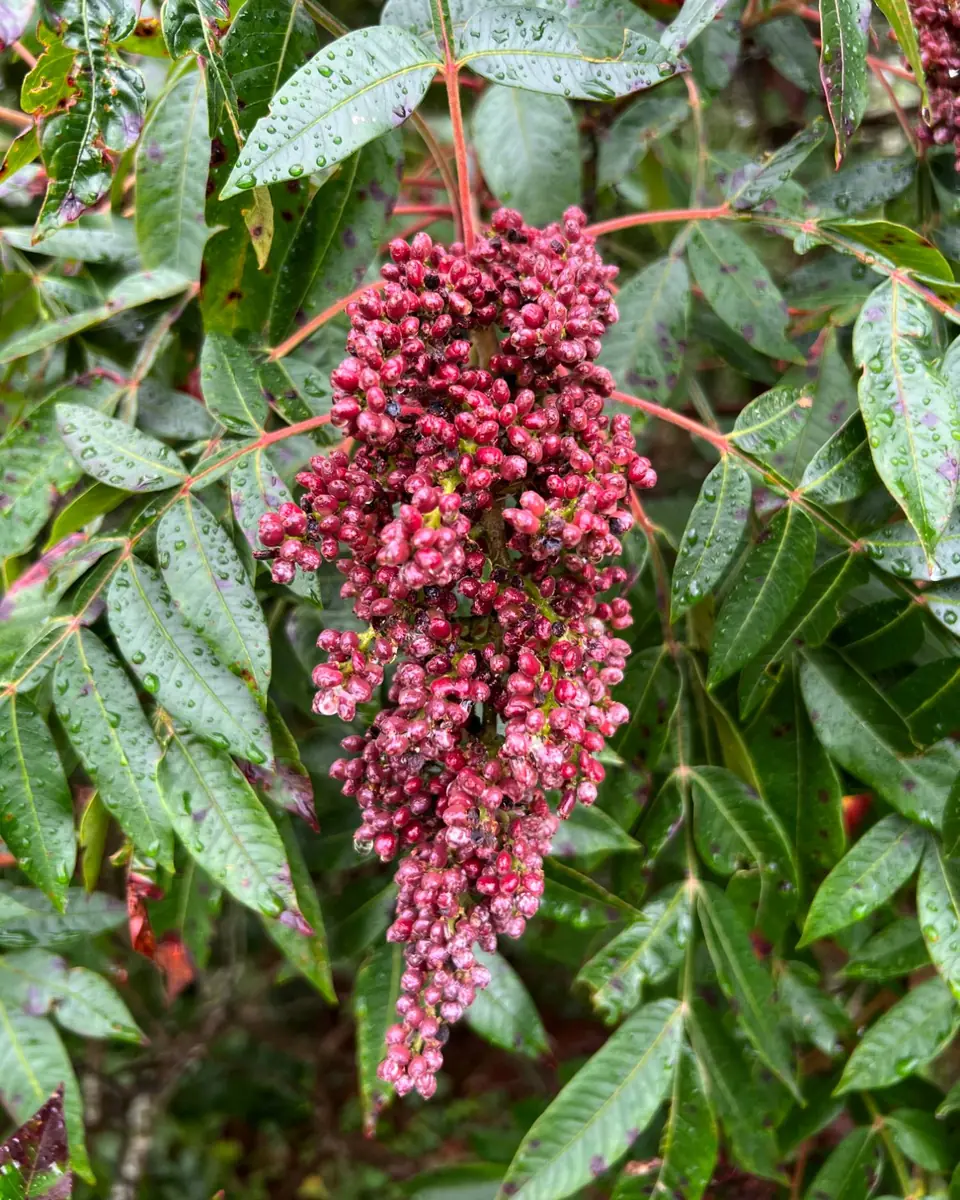
Ripe red berry cluster on a wild winged sumac (Rhus copallinum) shrub in Arkansas, with glossy compound leaves wet from rain
Free shipping on every order
Wild-harvested by hand
Native in 34 states
Hardy in Zones 4–9
Arkansas state outline with native white flowers, marking origin of hand-picked winged sumac seeds

Hand-Picked

Wild-harvested by hand in the natural state. Cleaned, dried and ready to ship nationwide.

Winged sumac plants thriving in cracked dry earth with sun overhead

Resilient Crop

Thrives in poor, dry, and rocky soils. Handles heat, humidity, and drought with ease.
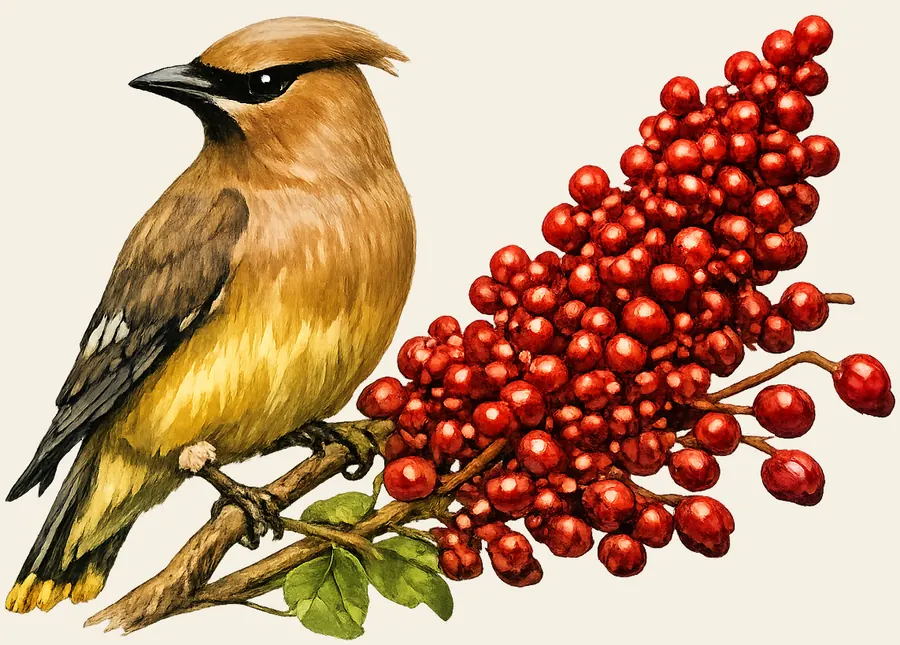
Cedar waxwing songbird perched on winged sumac branch with deep red berry cluster

Winter Food for Birds

Berries ripen in fall and hang on through winter, food for birds when other food runs short.
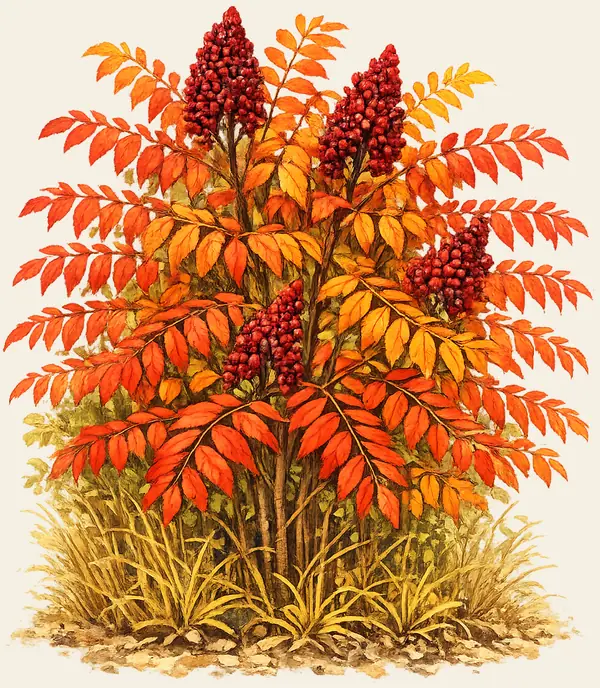
Mature winged sumac shrub in brilliant red and orange autumn foliage with crimson berry clusters

Why Plant Winged Sumac?

Winged sumac is a tough, adaptable native shrub with stunning seasonal color and incredible wildlife value. The bright red berries are also edible, used for centuries to make sumac lemonade, tea, and spice powder. Once established, it needs very little care in a sunny, well-drained spot.

  • Stunning Foliage: Glossy green in spring and summer; flame red to reddish purple in fall.
  • Easy to Grow: Handles poor soils, heat, humidity, and drought once established.
  • Wildlife Magnet: Berries feed birds; flowers support bees and pollinators.
  • Low Maintenance: Once established, it is drought tolerant and needs no feeding.
  • Erosion Control: Wide-spreading roots and suckers help hold soil on slopes and banks.
  • Fills In on Its Own: New stems sprout from the roots, so a planting grows into a thicket.
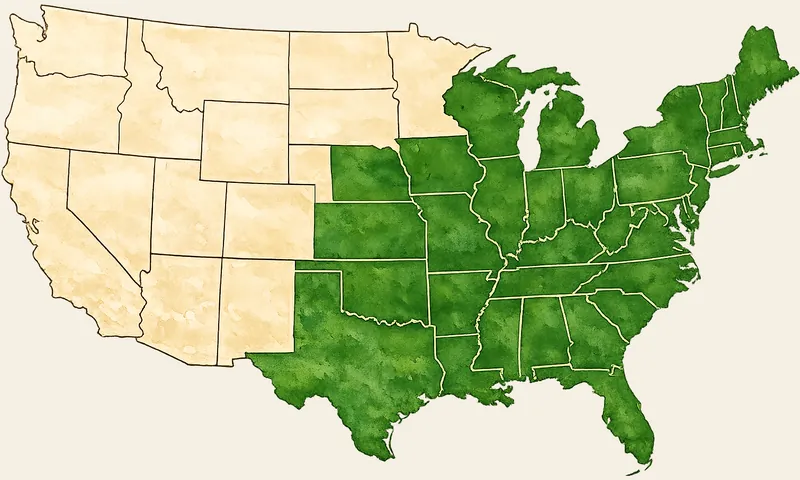
United States map showing winged sumac native range in deep green across 34 central and eastern states

Winged sumac is native to much of the central and eastern United States, from southern Maine and Michigan south to Florida and east Texas. State list from the Lady Bird Johnson Wildflower Center, which also lists Washington, DC. See also the USDA PLANTS Database profile.

Native Range
Not Native
Native to these states
AL · AR · CT · DE · FL · GA · IA · IL · IN · KS · KY · LA · MA · MD · ME · MI · MO · MS · NC · NE · NH · NJ · NY · OH · OK · PA · RI · SC · TN · TX · VA · VT · WI · WV
34contiguous US states
4–9USDA zones
−30°Fcold hardy
Illustration of a chickadee perched on a winged sumac branch beside a red berry cluster

A Gift for Wildlife

  • Pollinators Love It: Tiny greenish flowers support native bees, butterflies, and beneficial insects.
  • Berries for Songbirds: Dozens of bird species eat sumac fruit, including robins, bluebirds, hermit thrushes, and wild turkeys.
  • Supports Habitat: Dense growth provides nesting and shelter for birds and small wildlife.
  • Fall & Winter Food: Berries hang on through winter, food for birds when little else is left. Only female plants fruit, so plant several.

Through the Seasons

The same plant our seeds come from, across spring foliage and flower buds, late-summer berries, fiery autumn color, and a winter food source for birds.

Tall green panicle of winged sumac flower buds emerging above glossy compound leaves in spring
Spring
Glossy Green Foliage
Glossy compound leaves and the first green flower buds.
Bright red winged sumac berry cluster ripening among green compound leaves in summer
Summer
Ripe Red Berries
Dense red clusters, upright or nodding, color up from late summer.
Mature winged sumac shrubs in fiery red autumn foliage in an open field
Fall
Fiery Foliage
Leaves turn flame red to reddish purple in autumn.
Dozens of burgundy winged sumac seed cones persisting on bare branches in a winter pine forest
Winter
Winter Pantry
Dark red clusters hang on through winter, feeding birds when food is scarce.

Choose Your Seed Pack

Fall and early winter are a great time to sow. Give the seeds a hot-water soak, sow them outdoors, and let winter do the chilling. See how

Hand-harvested winged sumac seeds on weathered wood
Winged sumac 200-seed starter pack
200 seeds
About 60 to 80 sprouts
A small starter quantity, best for trying our seed or planting a few shrubs.
$14.99
Buy Now
Envelope (no tracking)
Winged sumac 1,500-seed pack
1,500 seeds
About 450 to 600 sprouts
For hedgerows, naturalized borders, and larger landscape plantings.
$69.99
Buy Now
Package (includes tracking)
Winged sumac 3,000-seed pack
3,000 seeds
About 900 to 1,200 sprouts
For acreage, pollinator strips, and habitat restoration projects.
$94.99
Buy Now
Package (includes tracking)
Compare all sizes
All four winged sumac seed pack sizes lined up side by side on a cork board: 200, 500, 1,500, and 3,000 seeds, with hand-labeled quantity tags
Every order includes a FREE 4-page Winged Sumac Planting Guide
that is printed and shipped with your seeds.

Free Winged Sumac Field Guide.

Download our heritage field guide. Plant identification, wildlife benefits, native range map, and seed-care basics. No email required.

Download the Guide (PDF)